History Belongs To Us

Connection to History

  • What is Basil?

    Hailed as the most useful culinary herb on the seven continents, basil is one of the most popular esculent herbs in the world. Unlike many other herbs, basil boasts approximately 60 to 70 different varieties, which produce an abundance of succulent tastes to satisfy even the most discerning palate. No two are exactly alike.

    As a member of the mint family, basil resembles its cousins in appearance, but that’s where the similarities end. Looks can be deceiving. Sweet basil, which is used most often, looks like mint, but its aroma and taste are entirely its own. Aromatically pungent, the herb emits a slightly sweet taste (hence its name) that complements a vast number of ethnic dishes and is a staple component in both Italian and Greek cuisine.

    Integral in flavoring tomato-based sauces, basil can also be utilized as an addition to meat (beef and chicken), seafood, salads, and a variety of egg dishes. Moreover, basil serves to do far more than enhance the flavor of your favorite foods, it also helps aid digestion.

    Tulsi Plant

    Origin and Early History of Basil

    Revered as sacred in its native country of India, where it was originally known as the “tulsi” plant, basil is embraced as a mighty protector by its people. Its botanical name, Ocimum basilicum, is derived from the Greek term basilikohn, which means royal, an attribute that supports its venerated place in Indian culture.

    The “tulsi” plant is an important symbol in the Hindu religion. Families most often cultivate the plant in specially designed structures or shrines for times of worship, but it can also be found potted on verandas and growing in gardens. Its leaves are considered a vital element in all Hindu ceremonies, a fact not overlooked by magistrates who required Hindu witnesses to swear on the plant in court during the period of British colonization. The Hindus, who worship basil as a holy herb, also value the plant for its medicinal benefits, and hail it as a remedy for a variety of ailments.

    Historically, basil was an important ingredient in embalming the dead, particularly in Egypt where it was utilized in the mummification of bodies and valued for its preservation properties. The people of ancient Greece and Rome associated the plant with poverty, abuse, and hatred. This association may have arisen from their belief that the plant attracted scorpions. Cretans, however, viewed the plant’s presence on the windowsills around their homes as protection against evil spirits.

    Medieval Times

    During the late medieval period, basil began sporadically appearing around the countries of Europe, accompanied by strangely conflicting opinions of the herb’s uses. In some places, it was deemed poisonous, while in others, it was heralded as a miracle treatment for low spirits and clouded thoughts.

    Symbolically, there seems to have been a bit of confusion as well. In Ancient Rome, the herb, as already mentioned, was a symbol of hatred, later contradicted by the beautiful young Italian girls who twined the herb in the braids of their hair to announce their availability. Romanian custom, however, leaves no doubt as to the romantic allusions of a blooming sprig. To accept such an offering symbolized a contract between the young lady who offered it and the lucky young man who accepted. Love was swiftly followed by marriage.

    Medieval housewives and servants utilized basil’s aromatic properties as a strewing herb to freshen floor rushes. Its pungent, sweet scent carries subtle nuances of mint and anise, something that made it a popular ingredient in sachets, which were created to refresh linens and blankets in medieval homes. According to Thomas Tusser’s Five Hundred Points of Husbandry, dried herbs and powders were prepared and combined before sewing them into linen and storing them among linens and fine clothing.

    “Take thee orris root, red rose petals, marjoram, and sweet basil, of each ounce, yellow sanders, cloves and musk. Bruise the herbs and spices between the fingers to release the scent. Close up the sweet bags and tuck them in the linens and clothes.”

    Modern day English might just make this medieval preparation a reality, so I did some homework in order to understand exactly what ingredients are called for.

    Aromatic Sachet

    • 2 T. 2 T. Orris Root, root stock of an iris
    • 2 T. Dried Rose Petals
    • 2 T. Dried Marjoram
    • 2 T. Dried Sweet Basil
    • 2 T. Yellow Sanders, leaves from a mountain plum tree, which grows in tropical climates
    • 2 T. Musk, Musk Powder

    Medicinal Properties

    Medicinally, basil has long been respected for its potential to heal, clear the mind, and unlock the heart. Fortunately for us, as time goes by, more and more of the old tales are found to be true.

    Proponents of natural remedies recommend basil for its antispasmodic properties, which have been proven to settle upset stomachs and relieve gas. Its pungent flavor kick-starts the production of saliva, and thus enables our bodies to properly digest our food. These same properties are also said to be effective in the treatment of motion sickness.

    Watkins’ Garden Etsy

    Basil Wine

    Basil wine is easy to prepare and has long been esteemed as a natural way to improve digestion when served as an after dinner drink. Not to mention, it’s delicious.

    Basil Wine

    1 bottle white wine (your preference)

    2 ounces fresh basil bound

    Warm wine on stove-top and remove from heat. Steep fresh basil in wine for twenty-four hours, strain, and refrigerate. Note, fresh basil may be replaced with a dried basil sachet.

    Basil: To Buy or to Grow?

    Today, basil grows in many regions throughout the world and is available at our local grocers and spice specialty stores. Better yet, basil is a hearty plant and can easily be grown right in our own homes. Plugs can be purchased at your local nursery for a nominal fee, although starting your plant from seeds is a popular choice for many. Parents of young children might find the prospect of indoor gardening with their children an adventure … I know I did.

    Basil is a vigorous plant, and there are numerous varieties from which to choose. Lucky for us, cultivation is the same for each. The most popular types of basil are lemon, red, anise, and cinnamon. A less known variety, Dwarf Basil, is a favorite of fine chefs, who treasure it for its clean, pleasant aroma and fine taste.

    Lemon Basil

    Lemon basil has a distinct aroma and mild taste, which is particularly complementary to grilled fish entrees, as well as shrimp, scallops, and crab. It also pairs well with chilled salads of all kinds, especially my favorite … tuna fish salad.

    Lemon Basil Tuna Fish Salad

    1 Large can of tuna fish (packed in water)

    1/4 cup mayonnaise (olive oil based)

    1/4 tsp. salt

    3/4 tsp. minced garlic

    2 tbsp. freshly minced lemon basil leaves

    Juice from 1/2 lemon

    Instructions: Drain tuna, mix all ingredients thoroughly.

    Sweet Basil

    Of all types, Sweet Basil is hands down the most commonly sown basil in kitchen gardens, but admittedly, I am partial to the unique taste of lemon and the lemon variation. Adequate drainage is imperative when growing this herb, so purchase your pots accordingly and be sure to line the bottom with stones or gravel. This will help to ensure elimination of water overflow. Note, the plant itself will serve as more than an attractive source of nourishment, it will also help purify the air in your home and act as a repellent to the flies and mosquitoes that shun rather than appreciate its scent.

    Purchasing Basil

    For those of you who prefer to purchase basil, both fresh and dried versions are available in most any local supermarket. Choosing fresh leaves will always afford you superior quality and taste, and like any produce, opt for organic whenever possible. Leaves should be free of blemish and dark green in color, with no visible yellowing. Fresh leaves can be stored in the refrigerator. Simply wrap the leaves in paper towels and place in an airtight container. Adding a bit of olive oil will keep your leaves crisp and ready to use for up to fourteen days.

    If you find you have more than you need, freezing is also an option. Simply puree the leaves in a blender or food processor, add a touch of olive oil (this will keep the color from turning), and place preparation in an ice-cube tray. After freezing, pop out the cubes and store them in a zip-lock bag.

    This choice of preserving also applies to pesto, as you can prepare and freeze your favorite recipe in much the same way. Thus, it only makes sense to increase the ingredients and save time in the future. Pesto is not only tasty … it’s nutritious and versatile to boot. It makes pasta, rice, and pizza come alive, whereas ordinary sandwiches become special and soups acquire added zest. Then there’s my favorite … a large dollop of pesto slathered over a perfectly grilled steak, straight off the grill. It doesn’t get better than that.

    Pesto

    1/3 cup pine nuts

    2 ounces freshly chopped basil leaves

    2 large cloves of peeled garlic

    8 tbsp. olive oil

    1/2 cup finely grated Roman cheese

    1/3 cup finely grated Parmesan cheese

    1. Toast pine nuts until golden brown in an ungreased skillet and cool.
    2. Place cooled pine-nuts, basil, olive oil, and garlic in food processor or blender and puree until smooth and creamy.
    3. Stir in Romano and Parmesan, salt and pepper to taste, and serve.

    To freeze, place measured increments (2-3 tbsp. depending) into ice-cube trays, drizzle with olive oil, and freeze. After freezing, store pesto cubes in an airtight container. Note, for pesto, I prefer freezing the finished product in individual mason jars, which can be purchased in a number of different sizes according to personal preference.

    Dried Basil

    Although many people like their herbs to be as fresh as possible, basil is just as popular in dried form. I’ve never known my mother to use anything other than dried herbs, and I followed in her footsteps for years. There’s no doubt that the expansion of supermarkets and prevalence of farmer’s markets in our modern day world has changed the way we buy and store our favorite foods. None-the-less, many people continue to use their herbs a “pinch” at a time, and let’s face it, dried herbs not only outlast their fresh counterparts, they’re also easy on the budget.

    Those of you with green thumbs can dry your own basil straight from the garden. Basil can be air dried, but since it has a higher water content than many other herbs, experienced gardeners claim that using a dehydrator works best. Dried herbs, whether pre-packaged or home dried, should always be stored out of the light and kept at room temperature to prevent loss of flavor. Shelf life is estimated at about twelve months.

    As already mentioned, basil is an integral ingredient in tomato-based dishes. Thus, canning tomatoes in season will enable you to have a well-stocked supply of tomato base for use in various red sauces, soups, and salads throughout the year. An added incentive would be the time canning saves you in the long run, in addition to the money it saves buying more costly, inferior tomatoes for the same purposes out of season. To make your own base, follow the easy to use instructions below.

    Basil, Garlic, and Onion Tomato Base

    10 pounds medium sized tomatoes

    2/3 cup chopped onion (sweet)

    4 garlic cloves (minced)

    2 tsp olive oil

    3 tbsp. freshly minced basil

    1/2 lemon (juiced)

    1) Wash, core, and slice tomatoes (set aside)

    2) Saute garlic and onion in olive oil, add tomatoes, and bring to a boil. Turn down heat and simmer on low for 30 minutes (stirring constantly)

    3) Squeeze fresh lemon juice into the bottom of each canning jar and ladle sauce on top (leave one inch between the top of your sauce and the lid)

    4) Cover your jars with bands and lids and place into boiling water for forty minutes. (16 ounce jars are recommended for red sauces, 8 ounce jars are perfect for a base intended as a starter for soups and stews)

    Note- There are a number of different water canners available for purchase if you find canning is something you enjoy.

    Basil, Beauty & Aromatherapy

    Outside of the kitchen, basil can often be found in various beauty products. Commonly included in the ingredients of blemish treatment creams, it is also said to facilitate the lightening of dark spots brought on by age. Basil oil, on the other hand, is reputed to relieve dandruff and promote healthy, shiny hair. Shampoos containing basil extract are readily available in most local stores.

    As an essential oil, basil’s spicy aroma is credited with the ability to soothe and refresh tired minds and bodies, all while facilitating a state of increased concentration. Add a small amount of essential oil to a pot of boiling water and enjoy the aroma as it fills your home.

    When we consider all the benefits basil has to offer, it’s easy to understand how some culinary experts have deemed basil “king of the herbs.” Basil is definitely somewhere at the top.

  • Jojoba (ho-ho-ba) oil, also known as “the gold of the dessert” has been valued for centuries as a skin care treatment. Native Americans utilized the oil to treat wounds, whereas the O’odham (Sonoran Desert tribe) specifically targeted the nut paste to create a salve with which they treated wounds. [1] Father Junipero Serra (1713-1784) noted the multiple uses of the oil in his personal diary, citing that Native Americans used the oil for everything from cuts, bruises and burns to soothing sun or wind burnt skin, as well as a treatment for the scalp. Ironically, the benefits of jojoba oil would not truly be discovered for another 200 years when the use of whale oil was outlawed by the United States in 1971. Since then, it has been found that jojoba oil is, in fact, superior to that of a whale and far more beneficial to our health.

    Most seed oils are made up of triglycerides, unlike jojoba that is not really an oil at all. Jojoba oil is a mixture of fatty acids and esters, a liquefied wax. Structurally, jojoba oil is much like the sebum produced within our skin by way of the sebaceous glands, which makes it the perfect oil to supplement and care for our body’s largest organ. Non-toxic, non-allergenic, and non-comedogenic, jojoba oil will not clog your pores or irritate your skin. It has a myriad of uses which include moisturizing, cleansing, reducing fine lines and wrinkles, as well as being an excellent treatment for acne.

    What To Look For…

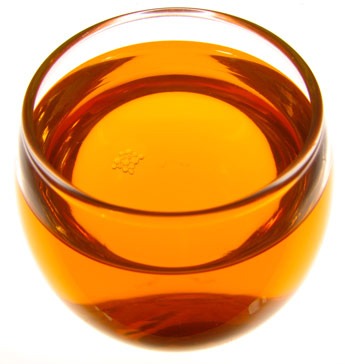
    Moisturizing with jojoba oil is as simple as procuring the oil itself. Ideally, you want to opt for pure, unprocessed oil. Pure oil should be bright gold in color; if your oil is transparent…. it is not pure. Sold in four to sixteen ounce bottles, note, just a little goes a long way. None-the-less, immediate usage and spoilage are not a worry due to the oil’s natural stability and indefinite shelf life.

    Beneficial to All Skin Types

    Jojoba’s natural balance makes it suitable for all skin types. In oily skin (or combination), it controls oil production. On the flip side, those of us suffering from dry skin can reap the benefits of vitamin E rich moisture, which will also help to prevent the onset of wrinkles. No matter how you look at it, jojoba oil is a win-win choice. As a facial moisturizer, jojoba oil is gentle enough to apply directly to the skin, although some people prefer to simply mix a few drops in with their regular face cream, but don’t stop there. Jojoba makes a perfect body oil and because it is a base oil (carrier), you can also blend it with your favorite essential oils for an aromatic treat. Keep a spritz bottle handy just outside the shower to soften your skin, save time, and fill the air with your favorite scent.

    Jojoba as an

    Acne Treatment

    Propionibacterium acnes are the bacteria that cause acne, and bacteria that can be kept under control with the regular use of jojoba oil. Jojoba’s anti-bacterial properties both cleanse the pores and pull impurities to the surface of the skin. The natural sebum in our skin can clog the pores and produce breakouts. Jojoba, on the other hand, is a wax ester, which acts in a way similar to sebum. Thus, the similarities ‘trick’ the skin into believing it has enough sebum and stifle sebum production, which in turn lessens the outbreak. Problem acne and persistent blemishes can be alleviated by performing the following steps, twice per day:

    1) cleanse with a gentle cleanser

    2) blot dry with a soft cloth (rubbing your skin with a towel with also irritate it)

    3) apply jojoba oil sparingly, as too much will make your skin look shiny

    Shirley Price, aromatherapist and co-author of “Aromatherapy for Health Professionals” credits jojoba oil with properties that are believed to help relieve a number of different skin conditions. Among these conditions, she lists; psoriasis, eczema, and chapped skin. Jojoba is also widely used as a cleanser, make-up remover, lip gloss, and cuticle cream.

    Sources

    [1] Phillips, Steven, and Patricia Wentworth. Comus. “Pages 256-257.” A Natural History of the Sonoran Desert. Tucson: Arizona-Sonora Desert Museum, 2000. N. pag.

  • The Rocking Horse Winner, 1950 Film

    This week’s choice for Book Club was an extremely easy one to make. Being a huge fan of D.H. Lawrence, his introduction was imminent, but I also acknowledge that his writing can be somewhat difficult for his readers. The Rocking Horse Winner isn’t a wordy short story. It sends a message, it can easily be applied to a reader’s own life experiences, and the characters are made up of people with whom we can easily relate. Everyone has experienced moments of financial worry, and every child has at some point and in some way heard or felt the unspoken words, “There must be more money! There must be more money.”

    Our economy cries these words daily, and our government leaders reiterate them on a consistent basis. Families losing their homes, parents seeking jobs that just aren’t available, companies closing their doors. What do our children hear when the reality of economic hardship hits home? Can they handle the words spoken in whispers behind closed doors, loudly at our kitchen tables, and even those that aren’t spoken at all; the ones they see in the depths of our eyes, the whispers that have found a home within the four walls of our existence?

    Do they sometimes feel responsible for the financial stress that invades the place in which they live? Do they sometimes take that responsibility far too personally? Should we as parents take more care to filter what we say within their hearing? Do we as parents make them feel an unmerited responsibility for our actions, and is there any justification for sharing our burdens with children who aren’t yet ready to carry them? Well, let’s find out!

    D.H. Lawrence was one of Britain’s greatest 20th Century talents. He is not only one of England’s greatest storytellers, but he was an artist (painter) and poet as well. Known primarily for his writing, many are unaware of the accolades he received for his paintings. Lawrence gained renown for his work in expressionism, especially the works he completed during the 1920s. Unfortunately, he did not receive those well-deserved commendations until after his death in 1930.

    Born in England, Lawrence’s young life was affected by both poverty and domestic discord. His parents were very different; his father was a heavy drinking coal miner, who was loved by his friends and family as a cheerful and easy-going man. His mother’s family had fallen onto hard times, but she was well educated. Sadly, it was their differences that brought friction into the marriage, and the couple’s four children couldn’t help but be affected by the stress and lack of affection within their home.

    One thing that wasn’t affected by the couple’s marriage was Lawrence’s mother’s love of reading and her belief in education. Four of her children inherited not only her love of words, but her quest for knowledge as well. Lawrence himself was able to pursue his high school education through a scholarship at Nottingham High School. He later went on to work as a clerk and teacher before his career as a writer took off.

    D.H. Lawrence both loved—and exhibited fierce loyalty towards—his mother. He was comforted by the fact that his first book of poetry was published the year before his mother’s death (1909). His mother died a year later, assisted by her son’s administration of an overdose of sleeping medication. I wonder what his stance would be on assisted euthanasia today.

    Lawrence’s life was filled with controversy and travel. It was during 1912 that he both met and fell in love with his future wife Frieda von Richthofen… the only impediment to their eventual marriage being that Frieda was already the wife of another man, and the mother of three children. Frieda left her family for Lawrence, and it would be two years before they were finally able to wed, but that wasn’t where their controversy ended. The advent of WWI found them unable to obtain passports and accused of being German spies. It wasn’t until the year 1919 that they were allowed to leave and begin what was to be a life of extensive travel.

    Lawrence is best known for his novel, Lady Chatterly’s Lover, the story of an affluent woman who embarks on an affair with a family servant (laborer on her estate). This novel, once banned in both the UK and the United States on the premise that it was pornographic, has gone on to become a classic. Other famous works by D.H. Lawrence are Women in Love (1920) and The Man Who Died (1928), which is rightfully considered a blasphemous account of Jesus’ resurrection and actions after death.

    The Rocking Horse Winner: A Summary

    Our story begins with the description of a woman; a woman who was fortunate enough to have been born into a wealthy family. This woman has had all of the advantages that wealth has to offer. She was young, she was beautiful, and life was good. Her childhood had been blessed with innocence and luxury, and her marriage was rare in that she’d had the opportunity and freedom to marry for love. You’d think she’d be happy; wouldn’t you?

    Our pretty picture doesn’t last very long. The love she had once felt for her husband is said to have turned to dust, she’s resentful of her children because she feels as if they’ve been forced upon her, and it is said that she could not love them, but yet, she covers up that resentment because she believes it to be her own fault that she feels this way. Her heart is hard, but no one is the wiser because through her guilt and overcompensation for the feelings she lacks; she appears to be the “perfect mother,” a mother who adores her children, but the children, they know better, and they each of them read the same message within the other’s eyes. The children could feel it, even if no one else could see it.

    The family lived well. They had all that they needed and then some, but there was never enough money. Both the mother and the father had small incomes, and those incomes were adequate for taking care of the family’s needs, but they weren’t enough, at least as far as the parents were concerned. It was important to maintain a certain social position, and for the parents, even if it wasn’t actually necessary, it was important. The parents wanted to maintain the place they held in society; they didn’t want to give it up, and they weren’t about to. The father suffered from lost opportunities, and the mother suffered from her attempts to create opportunities, but their failures never served to change their expectations or their behaviors. Living in luxury was due them, expensive taste was natural, and the continuous stress they acquired because of their continual acquisition of things led to the whispers that permeated their home, “There must be more money! There must be more money!”

    At first, the whispers may have been so softly spoken that only the parents could hear them, but eventually they became just loud enough for all to hear, particularly the children. The house was speaking in whispers all of the time; it spoke at Christmas, it spoke in the nursery, and it spoke through the toys. It even seemed as if the toys themselves were smirking behind their unreal eyes……….. that they were laughing. No one ever talked about the whispers, but they all heard them, and they would each of them look amongst themselves with questioning eyes that required no answer; the fact that they all could hear was evident without ever having to speak out loud.

    As time goes on, Paul, the oldest of the children, begins to question his mother about the little things that stymie him. He wonders why they have no car, why his mother refers to them as the poor members of the family, and he displays a unique curiosity as to what makes them the poor relations. His mother responds that she supposes their financial woes are due to his father’s lack of luck, and in turn, Paul begins his quest to understand the meaning of “lucky” and proclaims himself to be just that, and when his mother questions where that self-assured knowledge comes from, he asserts, “God told me.”

    With that, Paul begins his quest to prove his luck. As his sisters play on the nursery floor, Paul mounts the rocking horse that had once murmured through its creaking springs and the arch of its neck, “There must be more money!” Paul rides, and then he rides some more, trying to find the evasive luck he avows to have, and in turn, he ceaselessly begins to hurl himself into another universe. He becomes caught up in a ride that becomes more frenzied with each trip, and the people around him begin to notice his glassy eyes, that the whip he’s requested from his uncle is used ever more violently in order to force the rocking horse to take him where he needs to go, but where is he going? Why does he look into the horse’s eyes questioningly, and what is the rocking horse’s reply?

    When Paul’s Uncle walks in to see him riding the horse one day, he is visibly upset by the aggression the boy uses with what is supposedly his most treasured toy in the nursery. When he questions Paul, the boy rambles on about the races, gambling, and the money he’s both wagered and won by teaming up with the gardener, who has been placing Paul’s bets. Uncle Oscar then speaks with the gardener and discovers that they are in fact partners, and that the gambling, for the time being, is paying off. Shocked at the boy’s winnings and luck, the uncle fails to warn Paul of the dangers in gambling, but rather, becomes his partner. Paul is lucky, just as he’s proclaimed.

    THE BIRTHDAY GIFT THAT JUST WASN’T GOOD ENOUGH!

    As Paul’s winnings begin to pile up his uncle questions what he will do with them, and Paul really can’t answer. He admits that his “need” to have it started with his mother because she was unlucky, because his father was unlucky, and because he believed that maybe, just maybe, his own luck would stop the house from whispering. He then equates the whispering to other things………. things like people laughing at you when you’re not looking. Uncle Oscar understands how the boy feels, and yet, he doesn’t understand Paul’s desire that his mother not discover his “luck.” Paul doesn’t want her to know, but he does want her to have the money, and he still wants what is his most fervent wish; he wants the house to be quiet.

    Paul’s need to quiet the house and to bring his mother a sense of happiness or even relief are not to be realized. He gives five thousand pounds of his winnings to his uncle in order to set up a birthday gift for his mother; a five-thousand-pound birthday gift to be spread out over five years………. but is it enough?

    The post comes, the birthday gift has arrived, and Paul knows this because he has waited. He’s waited for its arrival, and he has waited in order to see her reaction, but he didn’t get what he was waiting for. His mother opened the letter; she read it, and then she hid it at the bottom of the pile. Paul didn’t understand. There was no understanding of her reaction nor of the hard look that shadowed her face. She wasn’t happy. Why wasn’t she happy?

    The rest of the story is for you to read. It’s about a young boy, and the road he rides on a rocking horse. It’s about the horse that he believes holds the magic that makes him a winner, that makes him lucky, and it’s about a mother whose heart may have held just a little love inside after all. Does she find it, and if she does, is she too late?

    BRILLIANT YOUNG MINDS

    Our group discussion was lively to say the least. The students were very comfortable with this story, and it was quite evident in their responses that they understood Lawrence’s message.

    We began with what was a very short compare and contrast session. The children immediately picked up on the similarities between The Rocking Horse Winner and The Cut Glass Bowl. They touched on what they believed the two stories have in common; the time period, the detached wife, the fact that the “children” in each story had a distinct effect upon their mothers, and the fact that both couples were facing some sort of financial hardship.

    Then they marked the differences. Fitzgerald’s couple had married for convenience without love; Lawrence’s couple had married for love, and yet, both marriages disintegrated for completely different reasons. One woman married for a love that had “turned to dust”, and the other married for what was seen as social acceptability and had then fallen in love. Neither of our female characters had a happy ending, but both endings did have one very important similarity………. but you’ll have to read them both to find out; I’m not telling.

    As mothers, the two women were completely different; in The Cut Glass Bowl, we have a mother who completely devotes herself to raising her children. Whereas The Rocking Horse Winner portrays a mother without love and feeling, but a mother nonetheless, a mother whose actions reap the reactions that make this short story a classic.

    The main difference between the two female characters in these stories is the way that the students reacted to their portrayals. Where the students had given Fitzgerald’s Evelyn their complete compassion, they had no compassion at all for Paul’s mother. They quite frankly found nothing likable about her. Ironically, she was able to muster a small amount of sympathy towards the end, but it didn’t last very long, and we’re not going there.

    The kids had a lot of fun dissecting the stories, but I hadn’t originally planned on the conversation moving in that direction, and it took a while to get them back on track. The second part of our discussion revolved around the whispering of the house. Can a house whisper? Are words able to float through rooms after they’ve been spoken? Are there words that can’t be taken back, words that hover and haunt the places where we live, and can they drown the silence? Are there times when it’s impossible to find silence?

    Families

    I sometimes feel sad that so many of our discussions this year revolve around the economy and the financial upheaval so many of today’s families are facing, but what’s a girl to do? It’s reality, and the kids are well aware of the changes, challenges, and hardships that their families are going through. So, the unanimous answer to all of the preceding questions was an undeniable “yes!”

    Houses whisper the words of conversations that parents so often try to hide, and they also reverberate with arguments that can’t be hidden. The things we utter do not disappear after they’ve been spoken; our children think about them at bedtime, they sometimes dream of them when they’re frightened by the volume at which they’re spoken, and yes, they can hover and haunt the places in which we live. Children are not immune to their parents’ words and actions, and they will often react with words and actions of their own. The biggest problem for the children is that they feel their parents are so wrapped up in the worrying and the whispers that they’re not paying attention to what it’s doing to their families. Each of the children understood why Paul reacted, why he felt that he needed to be “lucky,” and why he wanted to “still” the whispers in the house. What they couldn’t understand was how nobody was able to truly see what Paul’s quest was doing to him. His strange behaviors were noted, but they were never really addressed. Why?

    Paul’s mother once again came under fire because of the “birthday gift” he anonymously sent her through the family lawyers. The kids understood that the mother was unaware of where the funds came from, but they were appalled at the selfishness she showed by hiding it and then going on to request she have it all. It wasn’t enough, and the boy who had set out to prove his luck, give some sense of relief to his mother, and most important of all “stop the whispers,” only heard them grow louder. He gained nothing with his gift except the need to keep riding in “the rocking horse race….” the need to get there, but where was there, and would he ever really find it?

    Our discussion concluded with the children’s thoughts on communication within the family. They talked about the fact that although they need their parents to talk to them about certain things, they don’t need to know everything. They don’t want to know everything! Each of them is acquainted in one way or another with the phrase, “There must be more money,” but they don’t want to hear the details, the words are enough in themselves. More than that, they hate the fighting that money sometimes brings into their homes. Parents argue about money… they claimed that as a fact, and they feel that these types of arguments are universal, but they don’t want to hear them, and they don’t want to hear their parents lay blame, not on each other, and not on them.

    It’s really quite simple, and an example given by one of the girls was none other than the purchase of a pair of shoes. Her mother had taken her shopping, and they had made that trip for no other reason than to buy a pair of shoes. Her mother had said nothing in the store, nothing about the style, the color, and most certainly nothing about the cost, but when they got home the shoes caused an argument that continues to this day. She didn’t care about those specific shoes, and she didn’t need them, and had she known that their purchase would cause discord in the family, between her parents; she would have left them on the shelf. The shoes were not important, but the fact that she no longer likes them and feels guilty about having them is. She agrees that houses can whisper because she hears the whispers from the inside of her closet, and who’s to tell her she’s wrong? Not me, that’s for sure!

  • History of Cardamom

    Cardamom has long been a significant addition to India’s ancient cuisine. Native to the Indian subcontinent, cardamom serves a dual purpose with its many culinary and medicinal uses. A naturally wild and invasive plant, cardamom can be found in abundance throughout the monsoon forests in southern India. This area, known as the Western Ghats also claims the name “Cardamom Hills.” For thousands of years this area was the main cultivator and exporter of the precious cardamom plant.

    Documentation of cardamom’s uses as both a food flavoring and medicine reach as far back as the Charaka Samhita, believed to have been written before the second century. Cardamom is also mentioned in the Sanskrit texts (4th Century BC), which describe its use as a ceremonial offering. During the 11th Century, cardamom was often listed as an ingredient in the Manasollasa (Book of Splendor), and in the 1500’s, it was cherished by the court of the Sultan of Mandu’s kitchen staff for use in everything from rice dishes to sherbets.

    Cardamom- Trade and Export

    Cardamom’s migration from its native India began when Arab traders introduced it to Asia. Exports of the spice drew accolades from the Portuguese traveler Barbosa, and by 1563, it was being traded internationally and used regularly by Portuguese doctor and merchant Garcia da Orta. Today, the benefits of cardamom are reaped worldwide, and although the majority of cardamom is still imported from India, it is also cultivated in Asia and Europe (England in particular). Growing in thick clumps, each cardamom plant has up to twenty leafy shoots and reaches a height between six to twelve feet. Its shoots are a dark green in color, quite long, and are thought by some to resemble a sword in shape. The underside of the leaves is somewhat lighter in color and even a bit hairy.

    Cardamom- To Plant or Purchase?

    Beauty aside, cardamom’s real treasure is found in its fruit. These long oval shaped treats range in color from light green to pale yellow, and although cardamom may be purchased in a variety of different forms, growing your own would be the best option. Sweet and spicy, cardamom has its own unique and aromatic taste. If purchasing this delectable spice, try to buy it while still in the pod. Pods are easily removed and discarded, and the seeds will be at their most desirable in flavor and aroma.

    Cardamom may also be purchased in seed form, with the green seeds considered most valuable for culinary purposes. Note that the seeds will have lost some of their flavor because they’ve been shelled. Ground cardamom is available in the spice section of most grocery stores and easily stored at home, but it is less flavorful than either of the two forms mentioned previously and is rather pricey at the checkout. Actually, costly as it is, a small amount does go a long way. Recipes calling for ten pods of cardamom seeds may be replaced by one and a half teaspoons of ground cardamom. The simplicity of pulling out a teaspoon always makes my day; I’ll go for the ground.

    For those more daring than myself (okay, I might just shuck some shells on a leisurely weekend), cardamom’s ribbed pods contain three shells each. Each shell houses between four and six seeds. You’ll know you have the real thing if your chore is accompanied by the ever-present scent of eucalyptus. If the strong smell of camphor fills the air… well, you’ve been duped!

    Cardamom- Medicinal and Culinary Uses

    Medicinally, cardamom has been highly respected for thousands of years. Both cardamom seedpods and seeds have been used in the practice of Ayurveda, meaning “the complete knowledge for a long life,” India’s traditional system of medicine. Its seeds were also prized by the ancient Greeks and Romans. Cardamom’s health benefits are also highly regarded in Asian medicine, and like the practice of Ayurveda, Asians use cardamom as an alternative medicine to fight a variety of different infections. A natural detoxifier, cardamom naturally eliminates caffeine, cleanses the kidneys and bladder, stimulates a lazy metabolism, treats infections of the mouth (particularly the gums), as well as neutralizing mouth odor (think bad breath!).

    Cardamom’s ability to serve both culinary and medicinal functions at the same time is proven by the fact that it not only lends an aromatic flavor to foods but also makes them more digestible at the same time. Cardamom’s seeds contain high amounts of fatty oils, starch, protein, gum and sugar. But its therapeutic components are contained in the seed’s essential oil, which is extracted by steam; those components are cineole (anti-inflammatory and antinociceptive), limonene (used in cosmetics, as a flavoring for medicines, and as a fragrance in cleaning solvents), borneol (used as a skin tonic, a local anesthetic, sedative and antispasmodic), and terpinine.

    Highly valued as a remedy for digestive problems such as nausea, vomiting, gas, craps, and heartburn; cardamom’s essential oil stimulates the appetite and encourages the secretion of gastric juices. One or two drops of cardamom’s essential oil diluted in a glass of warm milk is said to strengthen the lining of the stomach and get those gastric juices moving. Poor circulation? Try heating a cup of milk (not to boiling) and adding one teaspoon of cardamom and saffron; let the mixture steep a bit, sweeten with honey and indulge. What could be more satisfying… and healthy, all at the same time?

    Cardamom-

    Wrapping It Up

    Cardamom can be used to add flavor to both sweet and savory dishes. Known worldwide as a main ingredient in curry, cardamom is just at home in its uses in baked goods and beverages. Enjoy gingerbread? Answer yes, and you’ve enjoyed cardamom. As for beverages, Mulled wine couldn’t do without it, nor could those famous blends of Mid-Eastern coffees. An excellent choice as an after dinner beverage, Indian coffee is easily brewed and healthy to boot; just boil two cups each of milk and water, add five teaspoons of your favorite instant coffee, two green cardamom pods and sweeten to taste. Simmer for three to five minutes, strain and enjoy! This beverage will help you feel less full and aid in digestion.

    No matter what form of cardamom you purchase or if you choose to grow your own, cardamom has a multitude of uses. Just a reminder, when shopping for cardamom it’s best to purchase green pods. Buyers beware; if you run across white pods they’ve been bleached with sulfur dioxide and brown pods, they aren’t genuine. You might get by with the brown, but you’ll find they haven’t either the aroma or the taste of genuine green cardamom pods. Like everything else in the culinary world, you get what you pay for.

    As with all medicinal spices, talk to your doctor and get his/her advice before using cardamom as an alternative medicine.

    Source

    The Complete Guide to Natural Healing , International Masters Publishers, @ MCMXCIX

  • First Thoughts

    When I see a dandelion, my first reaction is to remind myself to get out and pull the weeds… today. Dandelion seeds make me sneeze, they set off the allergies, they make me itch, and I do not like the way they look in my lawn. I viewed them in the same way I view mosquitoes… pesky things that aren’t good for anything, but I was wrong.

    The dandelion (Taraxacum officinale) is a member of the Asteraceae family, which is one of the largest plant families. The family also includes a number of different types of plants including garden ornamentals, wildflowers, weeds, and food crops. Dandelions fall in the weed category but are also used by many as a food crop to make salads, teas, and wine. Their name originated in France, dent de lion, the French words for “lion’s tooth,” which refers to the teeth on the leaves.

    Historical Uses for Dandelions

    Historically, dandelions have been used for centuries, though the Chinese were the first to credit them for their ability to purify the blood and boost the immune system. According to ancient texts, Arab cultures were also using dandelions by the 10th & 11th centuries to treat problems with the kidneys and liver, something that continues today, as the dandelion is used to detoxify the liver. In the 16th century, William Langham’s book, Garden of Health, even touted the dandelion as a cure for baldness.

    “The [dandelion] juice often applied, layeth downe the staring of the haire of the eybrowes, and causeth newe haires to grow.”

    Dandelion Rake in 1911 at the University of Nebraska

    Nutritional Value

    Nutritious, from the tip of their roots to the top of their flowers, dandelions are loaded with vitamins, fiber, and minerals. They are an excellent source of potassium, inulin (soluble fiber), vitamins (A,C, & K), and they are filled with antioxidants, which are critical in the neutralization of free radicals and protect us against chronic disease. The amount of Vitamin K, however, is significant enough to make special note of… as one cup of dandelion greens provides more than the daily recommendation (357% in all). You ask why this matters? Vitamin K has been proven to aid in the prevention of osteoporosis and coronary heart disease, things we all worry about as we age.

    Often used in salads, the dandelion’s leaves are slightly bitter, while its roots are bittersweet, and the aroma is most often described as sharp, yet buttery. Many people prefer to mix dandelion greens with other leafy vegetables, which provides for a bevy of flavor.

    Dandelion Salad

    Dandelion Tea

    For those people who aren’t fans of “bitter”, dandelions can be consumed in a variety of ways. Dandelion Tea is easily prepared by using finely chopped or powdered dandelion root. Simply boil one to two teaspoons (per cup) of dandelion root in water for about ten minutes, strain, and serve. Note, dandelion roots (whole) can be stored in a cool, dark place for up to three years. The shelf life of powdered or ground dandelion is one year. It is also important to remember that only dandelions that grow in areas free from pesticides are safe to consume.

    Dandelion Tea

    Dandelion Wine

    Dandelion wine is linked to the advent of spring and summer months. Author, Ray Bradbury, even wrote a book titled, Dandelion Wine, in which he notes, “The wine was summer caught and stoppered.” The Amish collect baskets full of dandelions each spring and summer when the blossoms first start to appear and have consumed Dandelion wine for both its taste and natural healing for centuries. There are numerous recipes available using the flower, but I only found one that actually uses the root and couldn’t be easier to make. The recipe calls for 1 1/2 ounces of dried dandelion root and a bottle of white wine. Simply steep the root in the wine for ten days, filter, and enjoy… a truly simple introduction.

    Dandelion Wine

    Change of Heart

    Though my initial opinion of dandelions has changed… I concede they are not useless, but rather, have enormous benefits to our health and well-being. I will be keeping my “taste tests” to the minimum, however, until I converse with my doctor during our next visit. While doing my research, I also learned that those of us who have ragweed allergies just might find ourselves experiencing a reaction after consumption…. I will proceed with caution.

    Sources

    1. National Institutes of Health Office of Dietary Supplements. Potassium: Fact sheet for health professionals.
    2. Langham, William. The Garden of Health : Conteyning the Sundry Rare and Hidden Vertues and Properties of All Kindes of Simples and Plants, Together with the Maner How They Are to Be Used and Applyed in Medicine for the Health of Mans Bodyagainst Diuers Diseases and Infirmities Most Commo amongst Men. Imprinted at London: [By the deputies of Christopher Barker], 1579.
    3. prevention.com
  • I don’t know about you, but for me, a bad hair day seems to set the tone for everything else. I can leave the house without make-up, dress down on a regular basis, and never feel as if I am missing a beat, but unruly hair…it makes me crazy.

    Each and every day, our tresses are attacked by environmental damage; pollutants, dry air and heat, all of which, wreak havoc on what my grandmother called “a woman’s glory.” If we look even further, we can also see that much of the damage our hair experiences comes as a direct result of our own actions; permanents, dyes, strong shampoos and conditioners all contain chemicals. Not to mention, most hair care products (shampoos and conditioners) do nothing more than coat the hair with a protective layer of film.

    Natural Rinses

    Natural rinses strengthen and repair damaged hair. They stimulate the scalp, which is responsible for supplying the hair with protein and nutrients. Thus, they do not simulate a fresh, silky appearance, but rather supply the scalp with stimulation, and in turn, provide nourishment to the hair follicle, which promotes healthy growth.

    Cammomile

    Linden-Flower

    Herbal Rinses

    Herbal rinses are formulated in the same way we prepare tea. It is as effortless as boiling water, adding a teaspoon of herbs, steeping, straining, and massaging the rinse onto your scalp before combing through (adjust amounts according to the length of your hair). Unlike store bought conditioners, there is no need for rinsing- simply towel dry.

    • Those who suffer from oily hair can prepare their rinse with a variety of dried herbs; sage, chamomile, lavender, and lemon balm to name a few. Each of these herbal concoctions will assist in reducing oil buildup and producing healthy hair.
    • An infusion made from dried birch leaves will not only promote scalp and hair health but ward off hair loss as well. An added benefit……. soft, shiny, luxurious locks. Note, this rinse is not recommended for those with blonde or gray hair as birch leaves may darken the hue.
    • Chamomile, used for centuries to relieve stress, is just as beneficial to those suffering from itchy scalp (dry skin, eczema, dandruff). It has also been used to naturally lighten hair, something we may not all be interested in…… so beware and use with caution.
    • Linden-Flower rinse is the perfect choice for overworked, stressed, or damaged hair. Repeated coloring, processing, and other chemical treatments can cause hair to become brittle, which often leads to split-ends and breakage. Linden-Flower will soothe the brittleness, promote circulation in the scalp and nurture healthy outgrowth.

    Birch Leaves

    Yes, Beer is Good for Your Hair!

    Another well-known rinse, perfect for the day after an outdoor barbecue, makes for an excellent way to utilize that leftover over beer (flat and straight from the can or bottle), and yes, you do need to wash this rinse away with warm water after treatment. Abundant in B vitamins and sugar, a beer rinse will leave your hair full of body and alive with radiance. Whoever said “leftovers” were a bad thing?

    In Conclusion…..

    As you can see, homemade, natural hair rinses are just as beneficial, and far more economical than most any product you will find in the beauty department of your local store. Better yet, they contain no preservatives or chemicals…… nothing but pure, natural goodness.

  • Sir Walter Raleigh’s attempts to establish the first English colony in the New World were historically unsuccessful. Regardless, the lessons learned by the English through his failures at Roanoke would serve to insure the monarchy’s future realization of Raleigh’s dream. Failure is often necessary in order to experience success.

    Raleigh believed that his colonial ventures would supply him with a source of immense financial gain. Instead, he lost every penny of his investment. He also learned that the location they’d chosen for settlement, although relatively warm, was not conducive to supply the bounty of crops its inhabitants would require.

    Another drawback was Roanoke’s geographical location. The island lacked any type of protective harbor, was surrounded by shallow coastal waters, and the shifting of the tides was a constant threat to the ships, running them aground.

    Sir Walter Raleigh always knew that colonization of the Americas would be profitable, but his planning was never quite precise enough to bring his own attempts to fruition. A successful colony would require more settlers, a larger source of funds, an adequate supply of necessary provisions, and the perfect location. In 1607, a number of these requirements were met in the founding of England’s first permanent colony, Jamestown.

    The Virginia Company

    Queen Elizabeth’s death in 1503 brought many changes to England; her successor and cousin, King James of Scotland, made peace with Spain. English privateers, who’d long raided Spanish ships no longer had license to do so. With the country at peace, the monarchy looked toward the New World. Unlike Spain, the English monarchy had no money to finance colonization, and after witnessing Raleigh’s independent losses, no other individual was prepared to take that kind of gamble with their own. Thus, the birth of England’s first joint stock companies. Backed by investors and chartered by King James I, the Virginia Company of London and the Virginia Company of Plymouth were born.

    The Virginia Company’s investors had been hearing stories about Spain’s discoveries of gold in both Mexico and Peru for years. They believed that if such riches existed in the areas of the New World colonized by Spain, they were certain to find them elsewhere. Initial proposals chose Virginia as their destination, followed by a short exploration of the area in order to find the perfect location for the construction of a small fortress that would later be replaced by a much larger settlement.

    The Virginia Company of London sent its first expedition to Chesapeake Bay in 1607. Their charter had granted them rights to settle in the southern part of England’s claimed territory. More than 100 colonists, all men and boys, and all of them volunteers, joined that expedition. Here is their story.

    With their charter granted, the Virginia Company’s directors went to work. Decisions were made, plans were put in place, and various options were weighed. The investors had no desire to repeat England’s previous failures in establishing a permanent settlement, and members of the company were sure that if they did it right, it would only be a matter of time before thousands of English citizens would migrate to the New World.

    Part of the Virginia Company’s plan was to map the region, and like so many preceding expeditions, to find a route to the Pacific Ocean; the elusive Northwest Passage. Mistakenly, the Virginia Company’s directors believed that the New World was no more than a narrow strip of land separating the Atlantic Ocean from the Pacific. Their assumptions were wrong.

    150 men volunteered to man the Virginia Company’s first expedition. Bricklayers, stone masons, carpenters, and soldiers signed on for the journey. But the ships’ rosters also included the names of various members of England’s wealthiest families. The Virginia Company would soon find out that the money these men had to invest would in no way make up for their laziness or lack of experience. Physical labor and the ability to deal with harsh conditions were something they were unaccustomed to. Yes, their money was useful, but the men themselves? They were useless.

    Susan Constant, Discovery, and Godspeed

    John Smith and the Journey to America

    On January 1, 1607, three ships set sail down the Thames River; the Susan Constant, the Godspeed, and the Discovery. Once on board and out to sea, the future settlers found the weather less than agreeable, storms slowed the ships down considerably. Many of the men became sick, and before land would ever be sighted 45 of the 150 travelers would be dead.

    Aboard the Susan Constant was a man named John Smith. Born January 2, 1579, Smith was a native of Lincolnshire, England. His parents, George and Alice were tenant farmers, but don’t let that fool you. The family may not have been members of the aristocracy, but careful planning had allowed George to amass an enormous amount of wealth with his agricultural endeavors. His family enjoyed a much higher standard of living than you would expect of a family of commoners.

    Smith had long been an adventurer. Having left home after his father’s death in 1596, at the young age of 16, Smith traveled to France where he squandered the family fortune. Ashamed of his actions and embarrassed to return to his family home in Sendall, he eventually volunteered in the French army and later hired himself out as a professional soldier. After a few years he returned to England, but his visit was short lived as boredom set in. A soldier’s life was filled with travel, adventure, and excitement. It called to him, and he answered its call.

    As a soldier, Smith was brilliant. He taught himself swordsmanship and hand-to-hand combat. He was also adept at creating bombs from everyday items. All he needed was tar, a dusting of gunpowder, and the ever accessible clay pot.

    His days as a mercenary satisfied his wanderlust, taking him from France to the Netherlands, and finally to southeastern Europe, the edge of the Ottoman Empire. While fighting for the Hungarians, Smith began writing a journal. Whether or not his original writings survived an ambush by the Turks in the Transylvanian Alps is uncertain. Captured by the Turks, he was sold into slavery where he would spend several years bound by an iron neck piece, regularly beaten, and starved almost to the point of death.

    It is hard to believe that after such treatment he was able to muster the strength it would take to one day murder his Turkish owner and escape on horseback into Russia. Necessity can give you the power to accomplish most anything. John Smith would use that same sense of urgency and necessity to one day take control of the Jamestown colony.

    Smith’s interest in the New World was sparked by none other than the great Sir Walter Raleigh himself. With no work to be found as a mercenary, he returned to London to find the city abuzz with tales of the New World, but Smith had tales of his own to tell. And while making his rounds through London’s taverns he did just that.

    The stories he told soon made their way to Tower of London, where Raleigh was being held on suspicion of treason. The two men held their first meeting in Raleigh’s prison cell, trading their stories and dreams of future adventures. Smith, intrigued by what he’d heard, couldn’t resist when he found out that the Virginia Company sought investors. Not only did the Virginia Company get Smith’s money, they got Smith as well.

    While the London investors busied themselves with the purchase of ships and the hiring of captains, they trusted John Smith with the responsibility of ordering and stocking supplies. Smith had assumed the role of buyer on his own. His experiences as a mercenary had left him determined to leave England prepared for things to come. Once again, the family fortune was on the line.

    Smith traveled on the Susan Constant, sharing a cabin with Gabriel Archer. Archer was also a soldier and soon to become an enemy. The voyage to North America was long and tedious for other reasons as well. Over the course of their months at sea, Smith, well known to be an arrogant braggart, alienated the expedition’s captains on a regular basis. He considered them both ignorant and inept. He had no respect for decorum, and he certainly didn’t bow down to authority.

    One of the voyage’s major problems was caused by a consistent battle for power amongst the ship’s travelers. Designation of power or the lack of the designation of power could have become the expedition’s undoing. The Virginia Company had made the grave mistake of failing to establish leadership before the ships set sail. Instead, they had drafted a charter for the new colony’s governing body, and then locked it in a box with instructions that the box not be unlocked until the ships dropped anchor in Virginia. This mistake left the future colony’s inhabitants to indulge in petty arguments that couldn’t be solved. The anger festered and the men turned on each other. What was an inarguably difficult journey had been made even more difficult

    Smith indisputably made himself heard in each of the ensuing debates. He in fact, so tested the combined authority of the men he sailed with that he was sentenced to hang upon the expedition’s arrival in the New World. Smith’s death sentence progressed as far as the special gallows erected for his execution on the Caribbean Island of Nevis. That hanging never took place, partly because Smith was so well armed, and inarguably because one of expedition’s leaders was smart enough to realize his value. Captain Newport, a career privateer, stopped the hanging because he knew they’d need every able bodied fighting man they had once they arrived in Virginia. Smith was a seasoned soldier; he was valuable, and he would soon prove Captain Newport correct.

    April 26, 1607 found three small English ships sailing out of the early morning mist of modern day Cape Henry and cruising their way into the mouth of Chesapeake Bay. Scouts had spent more than two weeks exploring the area, and after much deliberation a site had been chosen for settlement. The possibility of being discovered by marauding Spanish warships had led the scouts to choose a location sixty miles inland along the James River. It was there that the colony of Jamestown was born.

    Map of the Viriginia Colony. Created by John Smith in 1612, with color added by Henricus Hondias in 1639

    Chief Powhatan in a longhouse at Werowocomoco.

    Jamestown, John Smith, and Powhatan

    Jamestown’s early history was far from promising. The colony’s leadership was inconsistent; its death rate was high, and its settlers were far more interested in self profit than establishing a permanent home. These men had traveled far, and they also had a financial stake in what would be their own futures; farmers, laborers, craftsmen, jewelers, and members of the English gentry had set out to make their fortunes. Each of these men had something to contribute to the group as a whole, but none of them wished for anything more than to prospect for gold.

    Desire for immediate riches combined with failure to think about the immediate future may have been the cause of many of their deaths, malaria and other diseases notwithstanding. John Smith, disgusted by their work ethic once declared that things would need to change, but that wasn’t where he left his opinions. Fortunately for the colonists, Smith believed in more than mere talk; he believed in action.

    Jamestown had a need for a leader, and John Smith was the man for the job. His role in the colony had been one of protection, but he was also courageous, experienced, and levelheaded. Freedom of movement ended with Smith’s control, his military background influencing both the ends and the means of his actions. Smith’s well known quote, “The greater part must be more industrious or starve. He that will not work shall not eat,” was the beginning of a period of forced labor, during which colonists built houses and planted crops. They hated his autocratic form of governing and resented his interference, but it was Smith’s iron fist that kept them alive.

    The area in which Jamestown was constructed was also inhabited by small groups of Native American agricultural villages. The Indians, who are said to have numbered between fifteen and twenty-five thousand, were ruled by the shrewd and forceful leader Wahunsonacock, whom the settlers named Powhatan.

    Soon after choosing Jamestown as their location for settlement, Captain Newport took command of the shallop (a small boat constructed by the colonists), and accompanied by John Smith led a scouting party another 70 miles up the James River. Smith took this opportunity and used it to his advantage, easily making friends with the local natives and while doing so picking up bits and pieces of the native languages spoken by the groups they encountered. During those first few months Smith was the only member of the colony able to effectively communicate with the Native Americans.

    It is believed that Smith first met the Native American leader Powhatan on this first journey up the river. The tiny expedition had supplied themselves with items for trade, and upon meeting the great chief gave him a number of presents to confirm their good intentions and ingratiate themselves with the people Powhatan ruled. Powhatan, in turn, is believed to have assisted Smith in drawing what would be one of the first maps of Virginia.

    John Smith described the Native American leader as “a tall, well proportioned man, with a sower look, his head somewhat gray, his beard so thinne, that it seemeth none at all, his age neare sixtie, of a very able and hardy body to endure an labour.”

    1870’s lithograph of Pocahontas’ alleged intervention between Smith and her father.

    Rising Tension

    Over the course of their first summer in Jamestown, Smith would continue to make many journeys up the James River in order to scout the wilderness, draw maps, and pursue amiable relationships with the neighboring tribes. He traded both axes and cooking pots for much needed food, and accepted Native American lessons in the process of drying animal skins for use as clothing. This lesson would have been deeply appreciated during the onset of winter, as these shirts, trousers, and coats were far warmer than anyone in the colony already possessed.

    Eventually, the peace between the colonists and Native Americans became strained as both groups strove for dominance. Powhatan believed that he could bring the colonists under his control, that their settlement could be incorporated into his own realm. Smith, on the other hand, believed that he could manage the Native American leader with bullying and threats. Both men were wrong.

    Although each group had begun their relationship desiring peace, their hopes would not survive. On December 29, 1607, Smith and Powhatan engaged in the visit from which legends were made.

    Smith and a group of men had been scouring the wilderness for food; the colony was starving. The party, traveling by barge, found themselves blocked by branches that overhung the river. Unable to continue by barge, Smith and a few of his men decided to go on in a canoe and were ambushed by Native American bowman; two of Smith’s men were killed. It is said that Smith used his Native American guide as a shield and escaped, only to fall into a bog where he was later captured by the Powhatan tribesmen.

    Paraded through the villages by his captors, Smith was delivered to Powhatan by the dancing warriors who’d taken him prisoner. The Chief, leery of the colonists, their presence, and their expanding settlement, condemned Smith to death by clubbing. Legend tells us that at the last minute Pocahontas threw herself over Smith’s body and stopped the execution, that her act was seen by her father as an omen, that because of his daughter’s intervention he declared Smith a brother. Tale or truth? Even Smith fails to unveil the answer to that question.

    Pocahontas was surely present during the meeting between her father and John Smith, but the details of their relationship are far from concrete. There have been many tales told about these two historic figures, and there are many to consider, but even John Smith’s memoirs fail to be consistent. This, their story or stories, if you will; will have to wait for another day.

    What is known is that Smith and Powhatan’s tenuous relationship eventually embarked on a collision course of misunderstandings and lost opportunities. Each faction, the colonists and the Native Americans were equally accountable for their actions.

    Jamestown; the dreams, the hardships,

    and the reality…

    On January 3, 1608, Virginia Company supply boats arrived at the fort accompanied by 100 new colonists. Four days later a fire destroyed a large portion of the settlement.

    The new arrivals, expecting an easier life, were shocked that the settlement’s existing supplies had been rationed. The supply ship’s captain spent 14 weeks searching for gold and feeding his crew with the stores intended for the colony. The settlers were relieved when the ships sailed home for England, and were also dismayed by the ship captain’s refusal to unload supplies until he’d put aside enough food and water to get his crew home with full stomachs. Things were worse than ever.

    As if the fire wasn’t bad enough, the new settlers had unknowingly brought company with them to the New World. Rats had disembarked the ship alongside their human counterparts, and their numbers increased so rapidly that they’d soon infested and eaten their way through half of the corn in the storage house. Shortly after, Smith was forced to send a third of the colonists down river to subsist on the abundant oysters found in the riverbeds downstream.

    In September of 1608, Smith was officially elected the colony’s leader. At the young age of 28, Smith became British America’s chief executive, military commander, and political leader. He had finally found a niche where name, title, and patronage weren’t required for personal advancement, and he took full advantage of the opportunity. Smith, though known for his wit and bravery, ruled with a will of iron.

    A realist, Smith wasted no time in advising the Virginia Company’s investors that the area was not only barren of the gold they hoped for, but that the James River was not going to supply them with the short cut to China they’d been seeking.

    Drought took over the land, and the natives refused to trade for food. Horses, dogs, cats, and rats became dinner; settlers wandered through the woods in search of edible roots and snakes when they had no other options.

    The settlers who wandered away seldom returned; the settlers who remained were left to bury the dead. Colonists desperate enough to steal from the Algonquians were found murdered, bread stuffed in their mouths, a warning. But what difference does it make how you die when death becomes inevitable.

    There are rumors that settlers were driven crazy, that in their insanity they turned to cannibalism. A man was convicted of the murder of his wife; he had chopped her up into bits and pieces, salted her, and then feasted on the majority of her remains before being caught. He was quickly tried, convicted, and burned alive.
    Although the colony endured many hardships, the settlers who continued to arrive on the Atlantic shore eventually made Jamestown their permanent home. As the colonists fulfilled their obligations to the Virginia Company for repayment of their passage, more and more of the settlers began to build homesteads and turn to farming.
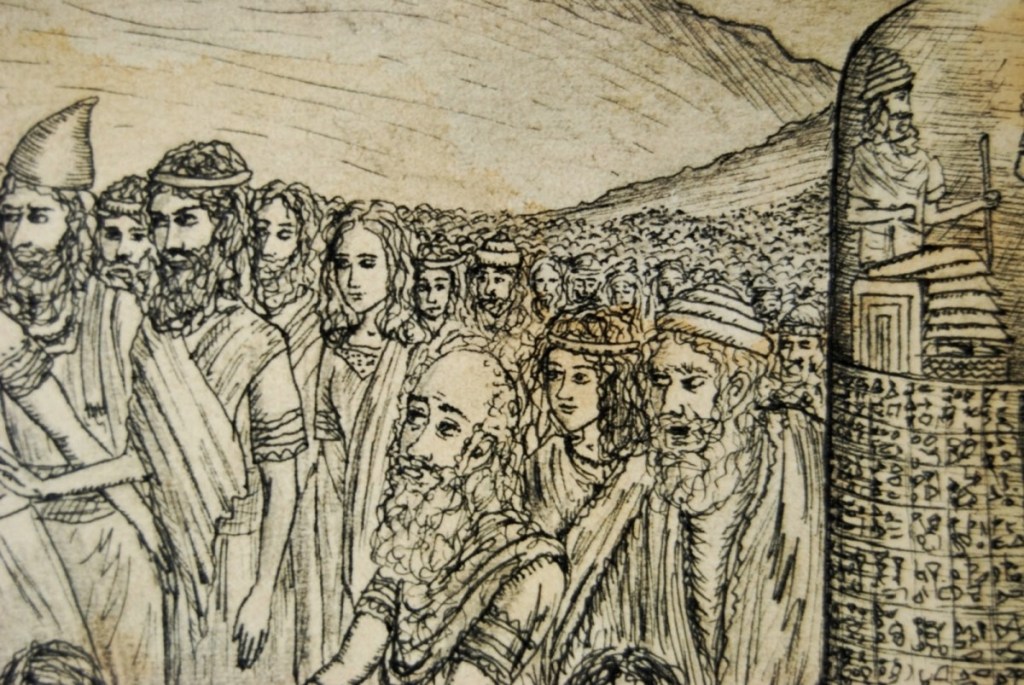
    By the 1620’s the people of Jamestown had replaced what had originally been a rudimentary fort with a thriving market town. Settlements were now surrounded by fences, houses boasted enclosed yards to keep their livestock from wandering away, forts were fortified, and storehouses were well provisioned.

    The colonists had passed their own laws and held their own elected Parliament; tobacco became the colony’s main crop; ships of women arrived to combat the shortage of wives and to establish families (a wife would cost you 150 pounds of tobacco). King James I wasn’t necessarily happy with Jamestown’s budding independence, but citizens moved forward nonetheless.

    English colonization in America had long been a dream, and of the 7,289 colonists who’d set sail for Jamestown in its first 18 years, 6,040 had died. Many lives had been lost to realize success, to realize the dreams of adventurers and explorers. Dreams do come true, never doubt it.

  • England’s first attempts to colonize the Americas began with an expedition in 1584. At the behest of Queen Elizabeth’s trusted counselor, Sir Walter Raleigh, Philip Amadas and Arthur Barlowe set sail to the North American coastline on a scouting mission. Their goal; to explore the sounds and estuaries in search of the “perfect” location for the first English settlement in the Americas.

    Raleigh, the great soldier, statesman, and adventurer, had been given a charter by the Queen that endowed him with the exclusive rights of the land he claimed in her name, but her sponsorship was withheld. Raleigh would bear the cost of the colony on his own. Certain that he’d prosper, he agreed to her terms.

    Amadas and Barlowe’s first landing in the New World was believed to have been in the area of Hatteras, an island off the coast of modern day North Carolina; they then traveled northward where they found an area that would soon be called Roanoke.

    Amadas and Barlowe

    Barlowe’s descriptions of the New World were reminiscent of the Garden of Eden. He speaks of the smell of sweet flowers, the cedars rising tall on the horizon, vines laden with grapes, and greenery everywhere. He describes the flight of the cranes as they take to the skies in reaction to the unknown blasts of gunfire; he writes of the cheers of his men as they watch the birds’ movements across the sky.

    Upon their arrival the men had no idea that the land where they’d anchored was not the mainland, that the land they claimed in the name of the Queen was indeed no more than a barrier island. In Barlowes’s own words; “We manned our boats, and went to view the land next adjoyning, and to take possession of the same, in the right of the Queenes most excellent Majestie, and rightfull Queene, and Princesse of the same, and after delivered the same over to your use, according to her Majesties grant, and letters patents, under her Highnesses great seal.” They believed themselves to have found what Raleigh was looking for.

    Like the Spanish before them, Amadas and Barlowe lay claim to land in the name of a monarchy. How much land did their claim include? Did anyone really know? Or did they just mean everything?

    Portrait of an Indian Chief by the Governor of the Cittie of Raleigh, John White

    Granganimeo

    A few days after their arrival, the men were met by one of the island’s inhabitants, a Native American named Granganimeo. The men, impressed by his lack of fear, invited him aboard. They invited him to dinner, shared a meal and drank wine. The English gave him gifts; a shirt, a hat, and select items they’d seen him gaze at in curiosity. When Granganimeo left the ship, he went to his own small sailing craft and proceeded to fish.

    Granganimeo returned the following day, accompanied by his brother and an additional forty to fifty men. Barlowe describes the company as a “very handsome and goodly people, and in their behaviour as mannerly and civill as any of Europe.” He would later come to find that Granganimeo’s brother was in fact a tribal chief, Wingina. But it doesn’t seem to have concerned him that a king already ruled the land they had just claimed for Raleigh in Queen Elizabeth’s name. Since Wingina was not a Christian monarch, his claim to the land was irrelevant.

    Most European explorers saw Indian societies in terms of their own experience. They acknowledged nobility, and they understood that each region boasted powerful chiefs, but that was where their understanding ended.

    Sir Richard Grenville

    Grenville’s Expedition

    In 1585, after a year of exploration, Amadas and Barlowe returned to England. The stories and wonders they brought with them (pearls, animal skins, potatoes, tobacco leaf, and two natives named Mateo and Wanchese) sparked the imagination of England’s citizens and opened the eyes of the English Queen. Colonization was no longer a dream. It was imminent.

    The spring of 1585, found five ships setting sail from England’s Plymouth port carrying the first group of English settlers to the New World. The expedition was led by Sir Richard Grenville.

    On June 26th, the settlers landed on the Atlantic coast, and then spent the next month searching for a suitable place to build their community. Their arrival at Roanoke was cause for celebration. The environment was perfect and the natives were friendly. A miscalculation in provisions could have been a disaster, but relations between the settlers and the Native Americans were good. The settlers were provided with help in building shelters and hunting game.

    Once Roanoke had been established (late summer), Grenville made his way back to England in order to pick up more supplies. Ralph Lane was named governor of the colony.

    Ralph Lane

    Roanoke’s First Governor

    As time went on, autumn brought colder weather, nodding its head towards the bitter cold that would accompany the winter months. Relations between the Native Americans and the settlers began to deteriorate. The natives weren’t fools, and they could see that these visitors weren’t solely there to explore; they were there to take land; they were there to stay.

    The help of the local tribe came to an end. Food was withheld, and the colonists were hungry. The natives attacked the settlement. Their reasons for attack are unknown, but history tells us that although the colony depended on the local natives for food, they were also prone to kidnapping and keeping the natives hostage.

    Natives were held until their ransom was paid, and the ransom was often that of information. One example of this may have been the colonist’s search for riches, namely pearls. What history doesn’t tell us is to what lengths the colonists were antagonized and threatened by the natives who wanted them to leave, or that much of the settlement’s discourse was in fact caused by bickering and quarrels amongst the members of the colony itself.

    Lane is said to have not been a very diplomatic man. His tendency to deal sharply and violently with both the colonists and the natives failed to endear him to anyone. A quarrel with Wingina led to the chief’s death; he was beheaded on June 10, 1586. But their quarrel stemmed from Wingina’s organization of a planned attack on the colony. Was Lane wrong to have protected the people he governed? I think not. Was he justified in ordering the death of a native chief? I don’t know.

    Sir Francis Drake

    The Arrival of

    Sir Francis Drake

    The day after Wingina’s death, Sir Francis Drake arrived at Roanoke. En route to England, he stopped to offer Lane’s colony help and supplies. Those supplies consisted of various types of equipment, 100 black slaves, and 300 South American Indians that had been taken from Spanish settlements he’d raided in the Caribbean Islands and Florida. He also offered to leave a ship, but the arrival of a hurricane quickly changed his plans. With his ship blown out to sea, Drake offered the colonists a choice; to accept a minimal amount of provisions and wait out Grenville’s expected arrival or to join his own expedition and return to England.

    Lane immediately accepted Drake’s offer to return to England, as did the colonists who were present. Three colonists who’d gone out on a scouting mission in the up-country were left behind as Drake had no time to wait for their return. His ship, already laden with the extra weight of those abandoning their home sites, had no more room. Belongings were thrown overboard, as were important records; what hadn’t already been destroyed was simply cast away. Those records may have been the missing link as to what had really happened during the time the settlers lived there. But it doesn’t matter, fish can’t read.

    Grenville’s ships arrived with the promised relief supplies shortly after the colony had been deserted, causing a multitude of criticism for Lane’s abandonment of the settlement. Grenville, on the other hand, not sure where the settlers had gone, left behind fifteen of his men and enough provisions for two years.

    Rumors abounded upon Lane’s return to England; many accusing him of leaving his post because he mistrusted Grenville’s intentions. No one speaks of the way the colonists were living, or the fact that many had already left the settlement and moved towards the ocean in search of food; mussels, fish, and clams. Lane never again commanded a colonial expedition. Maybe he didn’t want to, but more likely, he wasn’t allowed to.

    Map by John White- 1585

    John White

    Artist John White had been among the first group of settlers at Roanoke. He painted scenes of Native American villages, the people, the customs, and the wildlife that surrounded him in a place he’d hoped to call home. After returning to England, he advocated for future colonization.

    In 1587, White convinced Raleigh to give the colony another try, and in May of 1587 he once again left Plymouth for the New World. White was accompanied by ninety men, seventeen women, and nine children. This attempt at colonization focused on families, and each was required to put up a portion of their own money to help offset Raleigh ‘s cost. In return, the families were each given 500 acres of land. White was so sure that life in Roanoke would be successful that two of his own family members accompanied him, his daughter Elinor Dare and her husband Ananias. The family was on its way to a new future, in a new land. John White’s new role would be that of the colony’s governor.

    Upon their arrival, the settlers immediately began to repair the cottages and buildings that had been deserted by Lane and his men. The previous fort had for the most part been destroyed, and the fifteen men Grenville had left behind with supplies a year earlier were nowhere to be found.

    The earlier colonists had given the new group a foundation to work with, but the presence of women and children gave the entire venture a new sense of urgency. Aware of the mistakes made in their first attempt at colonization, Raleigh made sure that the second group was more prepared. Experience and careful planning would surely make a difference. The prospective colonists didn’t just set off with provisions of food, clothing, and tools. They were also supplied with everything they could have needed to implement a self sustaining community. Trunks included books, maps, and pictures. But these things were not enough, and shortly after landing it became clear that they had once again made a mistake in calculating for provisions.

    Good relations with a neighboring tribe, the Croatoan, may have led the governor into a false sense of security. They were friendly, open people, who when questioned told White that the fifteen men who’d disappeared were actually killed by members of the Roanoke, Wingina’s tribe. The settlers wasted no time in attacking the village of Dasamonquepeuc , but the Roanoke had already fled the area. The settlers didn’t get revenge, but they did kill a number of the Croatoan tribe members who were present within the community at the time of attack. Whatever relationship had been forged was now tenuous; the colonists had made a grave mistake.

    Harsh weather, specifically drought, forced White to return to England far sooner than he had originally planned in order to conduct business and restock necessary supplies for the colony. That he had mixed feelings about leaving would be an understatement. Not only did he leave his daughter and son-in-law behind; he also left his newly born granddaughter, the first English baby to be born in America, Virginia Dare. The colonist’s however, supported his return to England. They knew that replenishment of their supplies was necessary, and so did their governor. White departed for England late that summer; he wouldn’t return to Roanoke until August of 1590.

  • Thousands of years ago the Earth was an extremely cold place to live. The frigid climate caused water to freeze into large sheets of ice, and the resulting glaciers moved slowly and stealthily across the land, lowering sea levels and exposing new land that had never before been seen. This change in the Earth’s surface served to connect areas that had once been separated by water, and the appearance of these new, natural land bridges afforded both humans and animals new routes to travel in their search for warmer temperatures and places to settle.

    Berengia is one of the land bridges that scientists believe allowed people to cross from Asia into the Americas. It is also believed that people from Europe migrated to the Americas by following a Palaeolithic route, the North American ice edge corridor.

    The First Americans- Early Settlers

    Early settlers in the Americas survived by hunting wild animals and gathering wild plants. Food sources were sparse, and the hunter- gatherer societies were perpetually always on the move following game and looking for new sources of plant life.

    Weapons were crafted from natural resources at hand, stones became spearheads, knives, and hammers, twigs and grasses made twine or rudimentary bindings.

    The animals were far larger that those we’re familiar with today; animals such as the giant, woolly mammoth who sported long, shaggy hair and enormously long, curled tusks. Animals such as this supplied much needed meat that was eaten in addition to the roots, wild fruits, nuts, and mushrooms that were gathered when available, but the availability of these food sources was rare, and the hunter-gatherer societies kept moving until the climate and environment allowed for settlement. Eventually, the chance to settle changed everything.

    Early Settlements

    10,000 B.C., found the glaciers melting, the oceans on the rise, and the land bridges disappearing, once again becoming a part of the ocean floor. For those who’d migrated to the Americas from Asia and Europe it meant the inability to ever return home. Some of these people continued to roam the Americas preferring their nomadic lifestyle to permanent settlement. Others chose to create the homesteads that would lead to permanent communities.

    Archaeological discoveries in both South America and Mexico show that seed planting may have occurred as early as 7000 B.C. The warmth of the climate combined with the availability of rich natural resources encouraged plant growth. Few animals were left to hunt which made farming a lucrative decision for those who wanted to plant roots. America’s first home grown foods were corn, beans, tomatoes, sunflowers and different varieties of squash.

    Farming allowed people to grow more food than they personally had need for, and a surplus of farm goods meant that hunting was not always a necessary endeavor. Hunters, of course, still went out on a regular basis, but those who hunted now did it for the entire community. Farming allowed for specialization of labor; specialization of labor led to complex societies. Early developments of these types of communities are found in the country we know today as Mexico.

    The Olmec

    One of the earliest civilizations in the Americas was the Olmec. The Olmec civilization boasted its own intricate forms of education, government, and religion. Between the years 1300 and 400 B.C., the Olmec people lived along the southern coastline of Mexico in what is now known as the Gulf of Mexico. Each summer the riverbanks would overflow, fertilizing the soil and allowing the Olmec to grow and harvest crops like corn, beans and squash.

    It is believed that the city of La Venta was built by the Olmec as a place for trade, and that the Olmec culture itself had great influence on the future cultures that would follow them in settling the region. Archaeologists believe that the Olmec were the first Americans to sculpt in stone. They are also known for creating a calendar and indulging in “ball games.” The games, of course, were ceremonial.

    The Maya Civilization

    It is believed that the Mayan’s complex culture began around 300 B.C. Development of that culture, in what is now southern Mexico and Guatelmala was based upon their unequaled strides in farming, something that allowed for a large population due to very large supplies of food.

    Corn was their main source of sustenance; supplemented by large crops of sweet potatoes, beans, yucca, and squash. Corn (maize) was used in both its natural form and also as flour, something that allowed for bread, flat cakes, and the preliminary form of today’s ever popular tortillas.

    Although the Mayan way of farming was unequaled at the time, their other accomplishments were many. The Maya people specialized in numerous things; their cities had scientists, artists, and historians living within them. The Maya divided their calendars into 260 days and celebrated 20 festivals per year. Written records have not only been found, they’ve also been translated. The Maya noted dates, times, and events; they chronicled conquests, and they invented the concept of the number zero. Large Mayan cities were formed; cities such as Copan, Tikal, and Chichen Itza. Remains of those cities reveal that the Maya had palaces, stone temples, and many other types of buildings, buildings that housed thousands of people. The religious centers and temples were the most important facet of the Mayan culture, and during their time the largest in the Americas.

    Trade was also an essential part of Mayan culture. Traded goods in the region that have been discovered include obsidian, flint, oyster shells, and jade. Food stuff such as cacao beans and spices were also in demand, as were things like cloth, pelts, rubber, wood, and ceramic goods.

    How and why the Mayan civilization disappeared is still a mystery, but around the year 909 A.D., they deserted their cities. Archaeological experts are of the opinion that food shortages and war caused them to move on, but the true reason for their disappearance may never be revealed.

    What we do know is what’s been left behind. The ruins, the temples, the descendants who presently live in Guatemala and Mexico, descendants who continue to speak the language and follow the customs of their lost ancestors; the first Americans.

  • It never ceases to amaze me that the topic of “man against nature” is always a subject capable of stirring up fierce debate. Everyone is all about what they would have done differently, what they wouldn’t have done at all, and often what they wouldn’t know how to do in the first place. It always seems to take awhile for my students to acknowledge the presence of strength and courage or to question the thirst for adventure that defines a specific character’s role in a story. It takes even longer for them to question what just might be seen as that character’s lack of caution, and even possibly their “pure stupidity.” Man against nature, which will prevail? Can anyone ever pit themselves against those same forces of nature and truly survive? Is it really survival, or is it just plain old luck?

    Jack London

    “The proper function of man is to live, not to exist. I shall not waste my days in trying to prolong them. I shall use my time.”

    This quote has long fascinated me, and it speaks volumes about the man that Jack London once was, who he became, and why the tales he told carried such truths. He was a self-educated man, and his knowledge came from nothing more than the desire to learn, and forays into the world of the public library. The brilliance was there, but without the outlet that would give him that knowledge, the longing to attain that knowledge, and his thirst to be better and do better, we would never have met this man, let alone to see our world through his eyes. Attempting to describe where he came from, or the obstacles he faced would be futile, as no one can describe it better than the man himself;

    “I was born in the working-class. Early I discovered enthusiasm, ambition, and ideals; and to satisfy these became the problem of my child-life. My environment was crude and rough and raw. I had no outlook, but an uplook rather. My place in society was at the bottom. Here life offered nothing but sordidness and wretchedness, both of the flesh and the spirit; for here flesh and spirit were alike starved and tormented.”–“What Life Means To Me” from Revolution and Other Essays (1910).

    London was an adventurer, a laborer, a pirate, and a tramp. His desire to become a writer was one of necessity rather than choice. He was simply determined that he not spend his life performing menial labor, and that his love of reading could blossom into a lifetime of writing, that he could simply “be better” than what he believed was his destiny. His belief was correct, and his writings live on; he lived his dream. What could be better than that? And how fortunate we are as readers to be able to share his experiences through the words and tales he’s left us.

    To Build A Fire/ Summary

    “The Yukon lay a mile wide and hidden under three feet of ice.”

    Our story begins on the Yukon Trail. It’s a freezing day in the middle of winter. The temperature reads -100, and we immediately ask ourselves who on Earth would be traveling on foot in an uninhabited, wild area, with no other company than his Husky-Wolf dog?

    The answer is easy; it’s simply a man, a man who has begun his journey against the advice of a Yukon native, someone who knows, but he does not listen; he is not a young man, but he is a newcomer to the area, and he is initially unfazed by the frigid weather. He is ignorant, and even worse; he is arrogant. He believes that his journey will take only a matter of hours, and he has planned his journey down to the last detail, or so he believes. Our main character is learned, but he is inexperienced. He holds the facts and knowledge that he needs to know within his mind, but he lacks the experience to be able to define what they really mean, thus, he is unable to apply them to his situation. So, it is on this day that he lives his destiny; this is the day he believes himself to be smart, invincibility at its best, so he sets off on his own, and the journey begins.

    Invincibility: To Build a Fire

    The temperature initially reads at -50 degrees, and yet the man sets off to find his friends; they are expecting him in camp. He is what he believes to be prepared; mittens, check; ear flaps, check; moccasins and thick, warm socks, check; he carries his lunch of biscuits and bacon wrapped in a package within his shirt to keep it warm, and the thought of leisurely stopping along the trail for a warm and delicious interlude makes him smile in anticipation.

    It doesn’t take long, however, for the man to realize that it’s colder than he believed. He spits into the air and hears the faint crackle of ice as it breaks into the air around him. The dog, visibly upset, wants nothing more than to stop and find the warmth it craves. Its instinctual behaviors that should have served as a warning were completely ignored by the man who believed that he knew better, and the dog, who has learned from where its food and warmth come from, continues along beside him. The man begins to realize how cold it is when it becomes apparent that his cheeks are exposed, and that they’re going to freeze… that his nose will do the same. The whiskers on his face are not enough to provide sufficient coverage, and the chewing tobacco he uses consistently begins to dribble into his beard, lengthening into what resembles a copper colored glass; frozen, solidified, and capable of shattering into a million shards.

    When he reaches a place named Henderson Creek, he realizes that he is only ten miles from the forks he needs to reach, and by his best estimate he is traveling at maybe four miles per hour. Only ten miles to go, and he can stop for lunch. So he moves on with the dog close at his heels, and it seems that of the two, only the dog is feeling apprehensive, slinking ever closer to its master, tail between its legs. Further along, the man’s cheeks and nose are becoming ever more numb, and he realizes that the friction supplied by his mittens is not going to save his face. He regrets not having brought along a nose strap to save, if only that, from the elements, but this was no time to worry, and no time to be distracted by things that couldn’t be helped. The path was ever changing, and he needed to be aware. The creek bed was erratic, not every layer was frozen solid, and to plunge through the ice could leave him wet to the waist. In some places it was obvious, and in others he would see the fear in the eyes of the dog who would shy away and move no further, but his own fear led him to push the dog out in front, and then the dog fell in soaking its legs and coat, a soaking that would immediately freeze leaving the dog to chew at the ice on its legs and paws. Instinct and survival; the basic instincts of an animal as opposed the inherent instincts of men. In the never ending battle against nature just who will prove to have the best instincts? Man or beast?

    Unwarranted Relief?

    As he reached the forks by the creek he was immensely relieved to find that he’d only lost a half an hour, and that all things considered he was still making good time; he should arrive at his destination approximately when he had planned to. He settled down on a log, longingly thinking of sandwiches and the end of his journey. He’d only had one mitten off momentarily to remove his lunch when he realized that his fingers had gone completely numb in a matter of seconds. The man couldn’t hold the sandwich; he couldn’t move his fingers; he couldn’t feel his toes inside of his moccasins, and even worse, he was unable to open his mouth. His mouth was frozen, and whatever parts of him had continued to hold warmth, they were freezing too, and quickly.

    Upon this realization he quickly moved to gather branches with which to make a fire, admonishing himself for not listening to the old man who’d advised him about the true fierceness of the cold. Taking out his matches he built a roaring fire and thawed himself to the point where he could once again feel his hands, open his mouth, and finally, eat his lunch. The dog was comfortable, happy to have the fire, and curled up just far enough away that it wouldn’t be singed by the flames.

    Mistakes and More Mistakes

    Thawed and once again ready to move on, the man readies himself to leave the sanctuary provided by the fire. The dog is restless, and doesn’t want to leave, whining in its rebellion, and then the man whistles, and the dog moves to obey. Their relationship is described as one being the master and the other the “toil-slave.” Thus, the dog, knowing that disobedience would mean the whip didn’t disobey. He knew better; he knew who fed him, and he wanted to eat.

    Shortly after, an error in judgement or lack of observation finds the man knee deep in water. Rather than panicking about what the ramifications of being soaked through will mean, he curses that this will cause him delay; he doesn’t worry that what has happened may indeed cost him his life. He stops and builds another fire, cautiously removing his foot gear in order for it to dry. His hands and feet are without feeling once again, and then with no warning the loosened snow on a nearby spruce begins its careless descent, subsequently dousing the newly burning fire.

    And this is where we end, but the story moves on….. and that would mean you’ll have to read it yourself.

    Man -vs- Nature:

    To Build a Fire

    When I sent the children home with this story last week I requested one thing from them, well, one thing besides reading it, and that was to think about nature in every form and ask themselves what, if any, survival skills they’ve acquired. Did they believe that they have any skills whatsoever to BEAT nature, and if nature decided to test those skills, did they believe that they would have a chance against her.

    This story is so simple, and yet so complex. There are only three characters; a man, a dog, and finally the story’s antagonist; the ever mysterious Mother Nature. Our story’s main character is of course, the man. He’s been described as an older man, and he seems to be somewhat arrogant. Within the course of the story we learn that he’s been warned by someone far more experienced that his foray is dangerous, that the elements are unforgiving, that he should never try to make a trip like this on his own, and yet he doesn’t listen. This is where our discussion begins. Why don’t we listen to the words of those who are more experienced? Why do we flout their advice?

    Where the discussion went…. was nowhere I thought to be going.

    Well, to begin with, starting a discussion in this way with a group of twelve and thirteen year olds, what was I thinking? In all honesty, what I was thinking was that I could infiltrate young minds and the reason for rebellion against what I will term as parental guidance. I was, after all, once their age, even if it was a very long time ago. What they gave me was as always, totally unexpected. My expectation was simply the age old, my parents know nothing; what I got was, we just want to do something; anything.

    What does this mean you ask? It means simply this, our children believe themselves to be scheduled into the ground. Everything they do has its own schedule. This feeling included school, shopping, sports, socializing with friends, visiting family, and even television. They feel as if they’ve never learned how to play, or just go outside and amuse themselves because their parents have carefully calculated and accounted for every moment of their time. They can’t run down the block and ring a doorbell because they have to phone first, and they can’t spontaneously invite someone over because it might interfere with the schedule. They can’t walk because they need to be supervised, they have to be driven because it’s not safe, and they can’t just go pick up a game of baseball at the park because their parents don’t want to worry.

    Although I understand this train of thought, and I even sympathize… let’s face it, I was never in the house, and I don’t think many people my age were. I know why their parents find it all necessary, and to some degree I raised my own children in a very similar way. Unfortunately, we ran so far off of the beaten path that I ended up having to stop them mid-sentence; our discussion had run amuck! Discussing why the man ignored the advice of someone older, wiser, and more experienced had become a discussion about personal freedoms.

    Can we beat nature? Is it possible?

    So, we returned to the theme of man against nature, much against their wills, and I admit to having a very difficult time reeling them in. Nature as an antagonist; an act of God; nature, the one thing we will never be able to control, and the one thing that will always prevail; can we beat her? The answer was unanimous, no! They found the application of the story to their own personal experiences almost impossible to connect. Survival skills were deemed non-existent; they don’t have any; they would be calling for help…. AAA please come to our rescue. They talked about recent events; hurricanes, storms, tornadoes, and the fires that continue to rage in California. They acknowledged the impossibility of making real preparations for these circumstances, and they acknowledged that their lack of knowledge and inexperience would make survival almost impossible. Like the man in the story, their preparations would leave them with a death sentence hanging over their heads…. How could he make the fire if he couldn’t move his hands?

    Each of them felt that the man’s actions were stupid at best; they felt compassion and empathy for the dog who knew better, and they felt that the man’s refusal to see that the dog was indeed warning him was a sign of his arrogance and a lack of common sense. They talked about storms, simple thunderstorms, and how they can suddenly roll in without warning, and then they talked about how if you really listened you would hear the warning. The warning is silence; the silence of the birds and their disappearance from the sky; the dog who crawls under the bed long before the first sounds of thunder. Lack of noise, lack of movement, and the epiphany that only humans are still wandering around ignoring the intelligence of the less intelligent. Man against beast…. sometimes all the wiser for all their lack of brain mass. Then the discussion quickly left me again. Never say I haven’t warned you; they are full of surprises!

    Their biggest fear… and the worry about what it would take to survive!

    As our discussion about survival progressed, it suddenly morphed itself into a discussion about war, the fear that one day they would have to live and survive a war in their own country, but where did this come from? Our children watch the news, possibly more than I do, and they worry about world events far more than we give them credit for. Their thoughts focused on questions. What would they do without luxuries, how would they handle food shortages, how do you build a fire if you need to… if there’s no gas in your home, no electricity? How do you make a call without a phone? Where do you go if you find yourself under attack? One of the boys answered the question of how to build a fire by saying that the text we’d just read had been like watching a video, but then again, what if he had no matches?

    They voiced many concerns over things that they considered reality, things that could be real in their own lives. They had lost all interest in analyzing the actions of a character they couldn’t relate to, someone who didn’t have the sense to stay out of the cold. He was simply a character, and he was no longer important to them. The importance of survival, and the battle between man and nature had changed. Their worries are not consumed by the ever changing and volatile “mother nature,” their worries are based on their ultimate fear, that being “human nature.”

    Truthfully, this may be the furthest this group of children has ever gone off topic, but their discussion was also like a mirror into their minds. I don’t mind going off topic, and I love when they open up enough to let me know what they’re really thinking. I mean, what’s the point if they’re constantly trying to follow my cues….. when the reason I actually do this is to follow theirs. The goal is to make them think, and they do. I have once again been humbled by their minds, and once again happy to know what they’re thinking. We don’t know if we don’t ask, and I don’t think we ask often enough.

    © 2026 J.R. Watkins